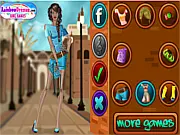
Stylish June Cover Girl
6,991 זמני משחק


פרטי המשחק
על מה Stylish June Cover Girl?
One of the key pieces of feedback they received was about the onboarding process. Many users found it a bit confusing and lengthy, leading to a higher-than-expected drop-off rate at that stage. Recognizing this, the team prioritized simplifying the initial setup, breaking down complex steps into smaller, more manageable ones, and providing clearer instructions.
Another recurring suggestion was for more customization options within the the app's interface. Users wanted the ability to change themes, font sizes, and even rearrange certain elements to better suit their individual preferences. While not a critical bug, the team understood the importance of personalization in enhancing user engagement and satisfaction. They decided to include a basic set of customization features in the next update, with plans for more advanced options in future iterations.
The soft launch also revealed some unexpected usage patterns. For instance, a significant number of early adopters were primarily using a particular feature that the team had considered secondary. This insight prompted them to re-evaluate their marketing strategy, shifting focus to highlight this popular feature more prominently.
Overall, the soft launch proved to be an invaluable learning experience. It provided actionable insights that allowed the team to refine the app, improve the user experience, and better prepare for its eventual full-scale release. The initial bumps were smoothed out, and the app was on track to make a strong impression on a broader audience.
האם ניתן לשחק בStylish June Cover Girl במובייל?
No, Stylish June Cover Girl is designed for desktop play and works best on computers using a keyboard or mouse.
האם אפשר לשחק בStylish June Cover Girl בחינם?
כן, Stylish June Cover Girl זמין בY8 בחינם וניתן לשחק בו ישירות בדפדפן.
האם ניתן לשחק בStylish June Cover Girl במצב מסך מלא?
כן, ניתן לשחק בStylish June Cover Girl במסך מלא כדי לקבל חוויה אימרסיבית יותר.
באילו משחקים אפשר לשחק כעת?
גלו עוד משחקים במדור משחקי מהפך / איפור שלנו וגלו משחקים פופולריים כמו Princess Haircut, Princesses Flower Power, Bestie to the Rescue: Breakup Plan ו-Celebrity Style and Outfits - הכל זמין למשחק מיידי ב-Y8 Games.
קטגוריה:
משחקים לבנות
הוסף ב
13 יוני 2013
תגובות


-

Build A Robot
-
Avatar Star Sue - Doll
-
Dress Up Cutie
-
Dress Up Bride
-
A Touch of Green
-
Fashion Queen
-
Girl's Party
-
Fashion Trend For Teachers
-
Super Girl Fashion
-
Make Up Essentials
-
Winter Collection
-
National Costume
-
Dress Up Sporty Girl
-
Slouchy Chic
-
A Big Party Of Pajamas
-
Stylish Girl With Good Looks
-
Latest Fashion Trend
-
To Be Enviable